
My Desk Makes Me Happy — How a Cozy, Considered Setup Changed the Way I Work and Feel
There's a particular feeling that happens when you sit down at a desk that's actually nice to be at. Not impressive, not complicated — just right. The light is good. There's something green nearby. The surface isn't crowded. And before you've opened a single tab or written a single word, you already feel a little better about the next few hours.
I have that feeling now. I didn't always.
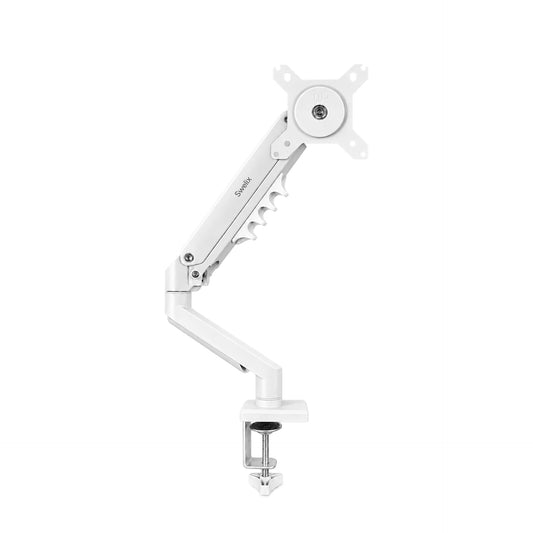
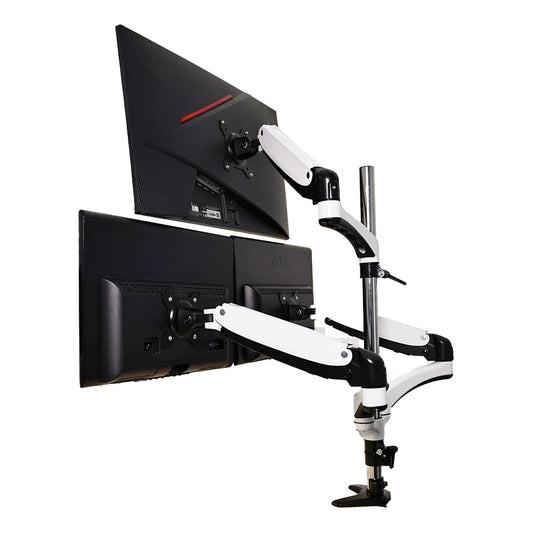
My desk is simple: a few plants, a small stack of books, a window directly ahead. Recently I added one more thing — a single monitor arm — and the screen that used to sit flat on the surface now floats, tilts, rotates, and does exactly what I need it to. The whole setup took shape gradually, without much planning. But the effect on how I feel sitting here every day has been anything but small.
This post is about that. Not specs, not shopping lists — just the connection between a desk that feels good and a day that goes better.
Why your desk environment affects you more than you think
Most of us treat our desks as purely functional — a surface to put things on, a place to get through work. The idea that the desk itself could influence our mood or energy tends to feel a little abstract, maybe even indulgent.
But think about the difference between walking into a cluttered, dimly lit room and walking into one that's tidy, warm, and full of natural light. The shift in how you feel is immediate and real, even if you can't fully articulate why. Your environment sends constant signals to your nervous system — signals about safety, comfort, possibility, and pressure. A chaotic space reads as unfinished business. A calm one reads as room to think.
Your desk is a concentrated version of this. It's where you spend hours every day, often with your full attention focused in one direction. The visual field around your screen — what you see in your peripheral vision while you work — matters more than most people realize. A cluttered edge is a low-level distraction. A plant, a book, a clear surface, soft light from a window — these are quiet signals that it's okay to settle in.
The environment doesn't do the work for you. But the right one stops getting in the way — and that's more valuable than it sounds.
What my desk actually looks like
I want to describe it because I think the details matter — and because "cozy desk" can mean a hundred different things. Mine is an elm wood desk in a deep, warm natural tone — 2.36 metres long and 0.8 metres wide, solid and substantial at 4cm thick. It has a presence that cheaper desks don't. The surface is generous enough to breathe, and the material itself adds warmth to the whole setup before anything else is on it.
🌿 The plants — small but significant
There are one or two small plants on the desk surface itself, keeping things light and uncluttered. The star of the corner, though, is the money tree — placed on the floor beside the desk, where it has room to breathe and grow. It's the one people always ask about first when they see the setup: full, green, and quietly anchoring the whole space.
What plants do to a desk is hard to fully explain until you try it. A surface without them tends to feel purely utilitarian — all screens and cables and hard edges. Add something living and the whole atmosphere shifts. The space starts to feel less like a workstation and more like somewhere a person actually thinks and lives.
There's also something about glancing up at a plant during a long work session — just for a second, just to notice it — that interrupts the tunnel vision that builds up over hours at a screen. It's a small reset, but a real one.

📚 The books — not just for reading
Books corner: a small plant, and whatever book I'm reading at the moment. That's it. Nothing decorative for its own sake — just things that are actually being used or genuinely enjoyed.
Books on a desk or shelf do something interesting to the visual feel of a space. They add warmth and texture in a way that purely digital setups rarely achieve. They signal that the desk is for thinking broadly, not just for completing tasks. And practically, having something to reach for during a stuck moment — flipping through a few pages, reading a paragraph — is genuinely useful for breaking through low-energy stretches.
A desk or room with books feels lived in. That matters more than it might seem.

🪟 The window — light as a design element
The desk faces a window, and this might be the single best thing about the whole setup.
In the morning, the light comes in cool and clear — the kind that makes you feel like the day has actual possibility. By midday it's full and bright, the room alive with it. In the late afternoon, everything turns golden, that particular warmth that makes even ordinary surfaces look beautiful. And some evenings, the sky puts on something extraordinary: soft pinks and deep oranges fading slowly into dusk, the kind of view that makes you stop what you're doing just to watch for a moment.
Through the seasons it changes completely. Spring brings a freshness to the light, a brightness that lifts the mood without you quite realizing why. Summer means long evenings and the slow, reluctant fade of daylight. Autumn turns everything amber and low — the most atmospheric time of year to sit at a desk and think. Winter has its own quiet beauty: sharp, clear light on cold mornings, the sky pale and still.
Having all of that as the backdrop to a workday is something I notice every day and never quite take for granted. The window doesn't just let in light — it keeps you connected to time passing, seasons turning, the world outside continuing on. That matters more than it sounds when you're spending long hours at a desk.

The upgrade that completed it — a single monitor arm
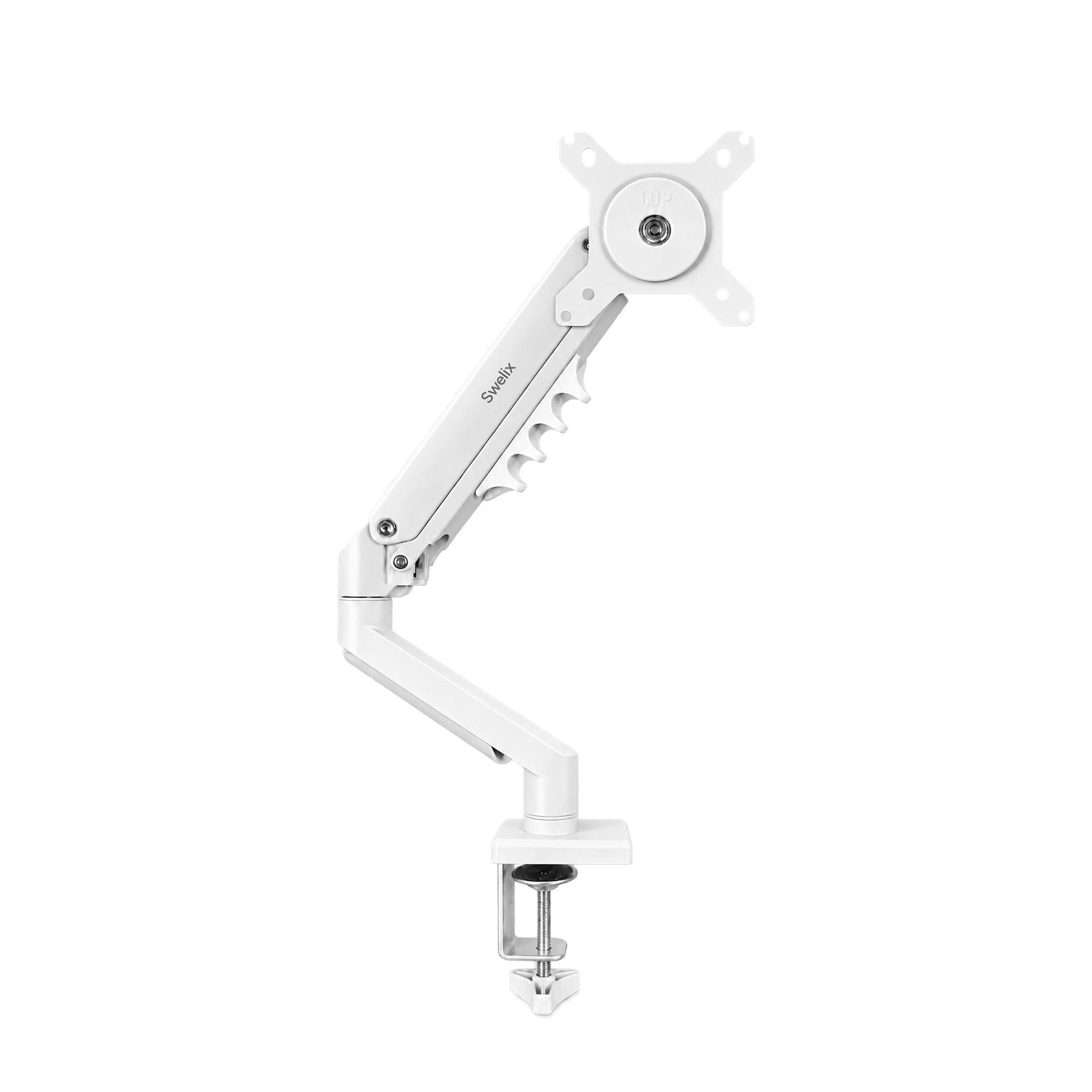
The plants and books and window were already there when I decided to add a monitor arm. The desk felt good but the screen — flat on its stand, sitting heavy in the middle of that beautiful elm surface — felt slightly wrong. Too fixed. Too present. It took up space on a desk worth showing.
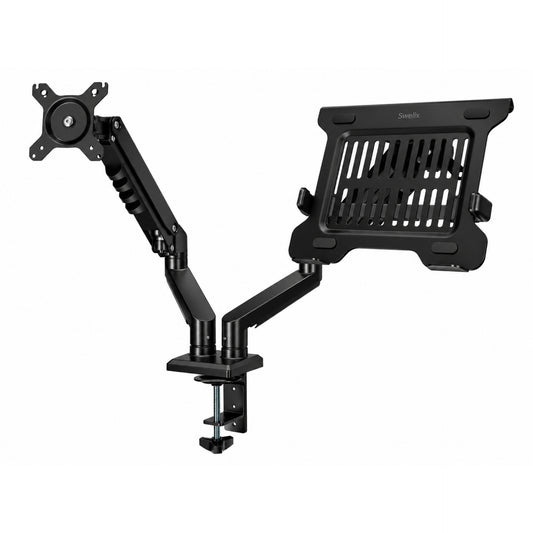
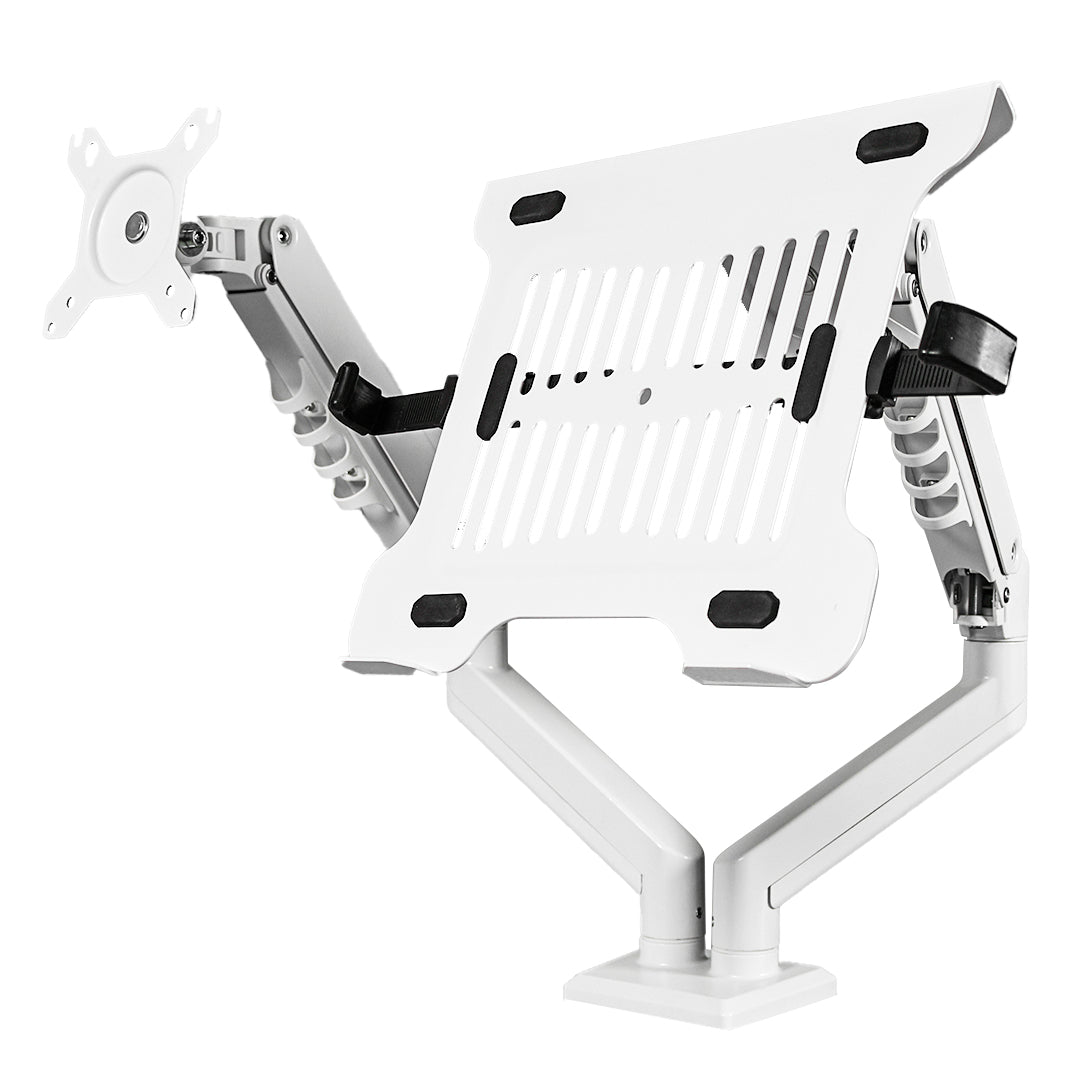
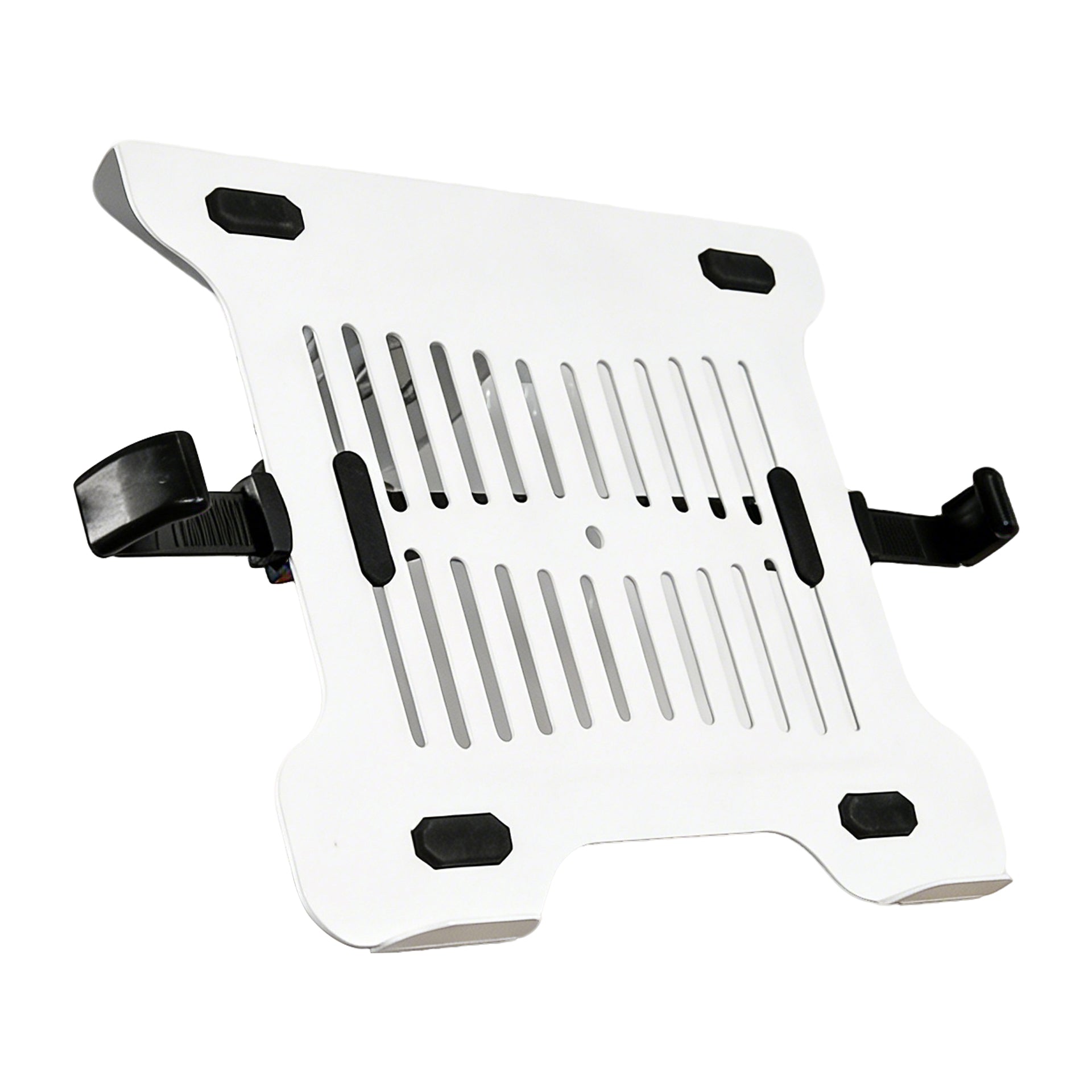
Now the setup has two screens: the main monitor on the arm, floating at exactly the right height, and the laptop sitting on the desk surface beside it. The arm handles the monitor; the laptop stays within reach. Everything has a place, and the desk surface — all 2.36 metres of it — still feels open.

🖥️ The floating screen effect
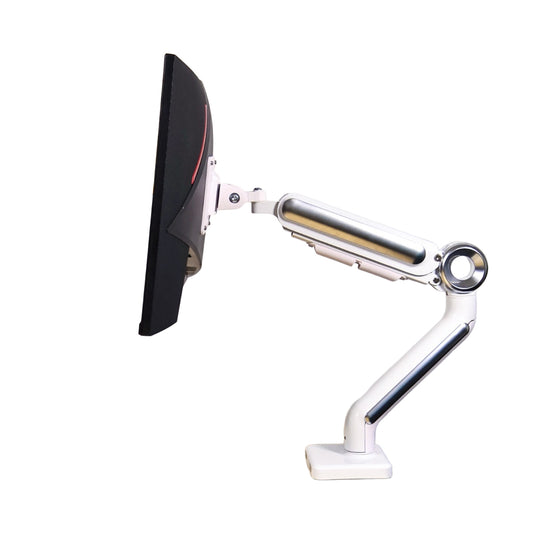
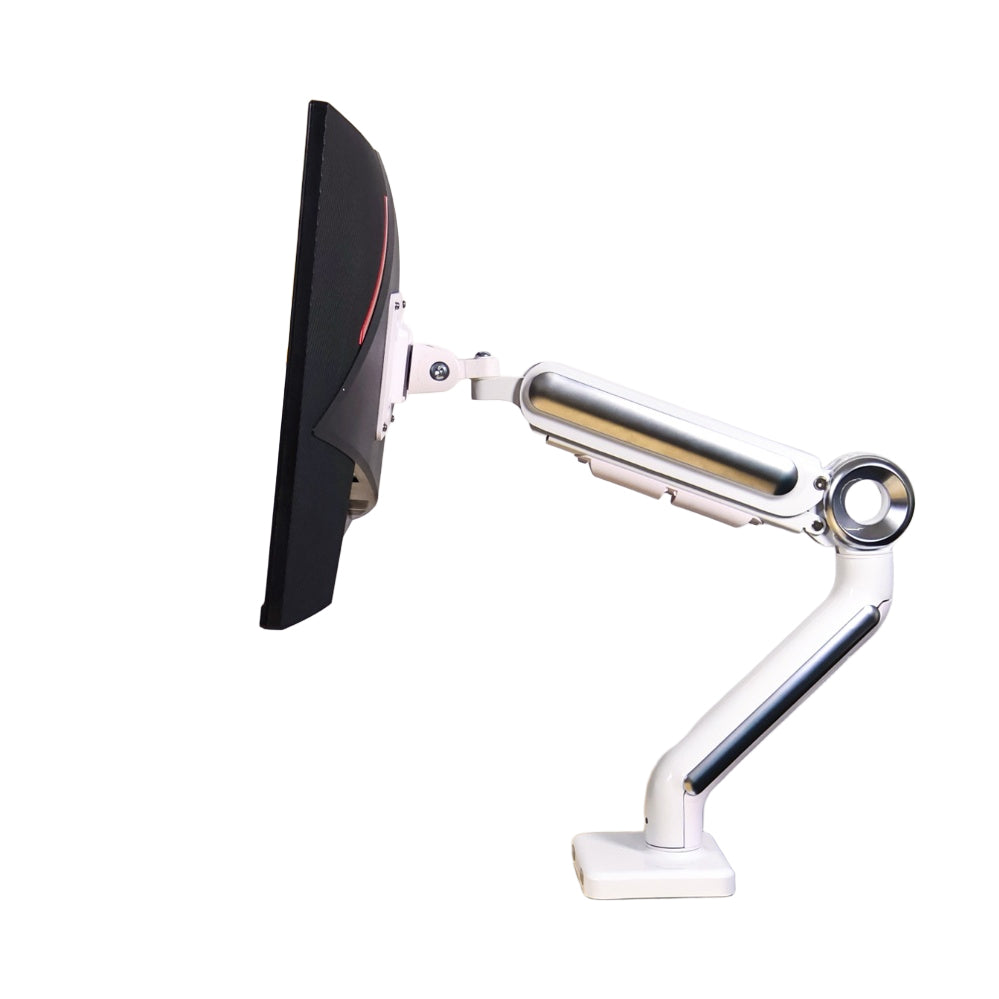
The first thing I noticed after installing the monitor arm was how much space appeared on the desk surface. The stand was gone. The base was gone. The screen was just… there, in the air, at exactly the right height.
This sounds like a small thing. It isn't. A screen on a stand occupies the desk both physically — the base takes up real estate — and visually, in a way that's hard to describe until you've experienced the alternative. A floating screen has a completely different presence. It's part of the setup rather than dominating it. The plants and books and light all become more visible, more part of the picture.
The desk started to look like something I'd see in a photo and want for myself. Which is not really the point, but it matters — because how a space looks is part of how it feels.
🔄 Being able to rotate and reposition freely
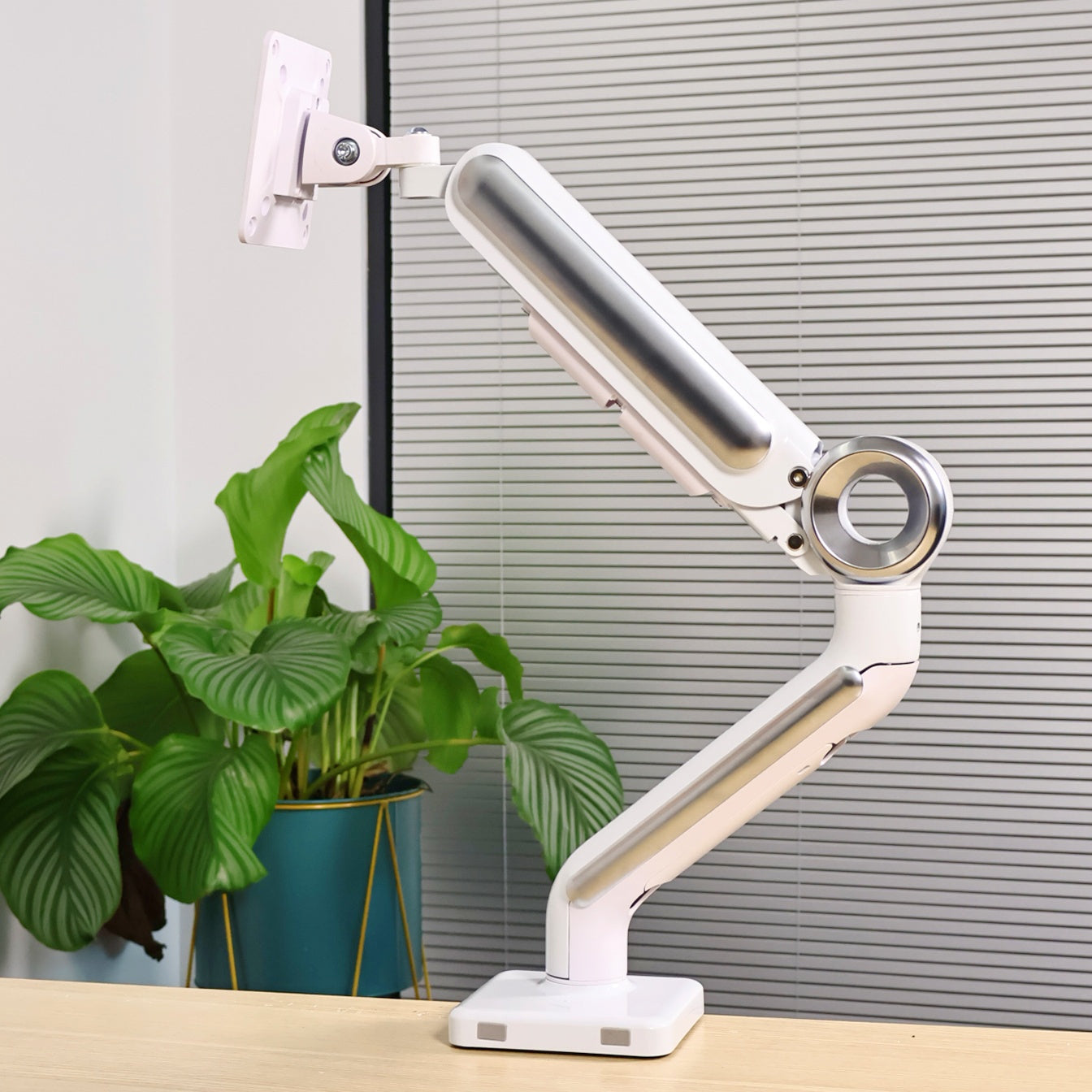
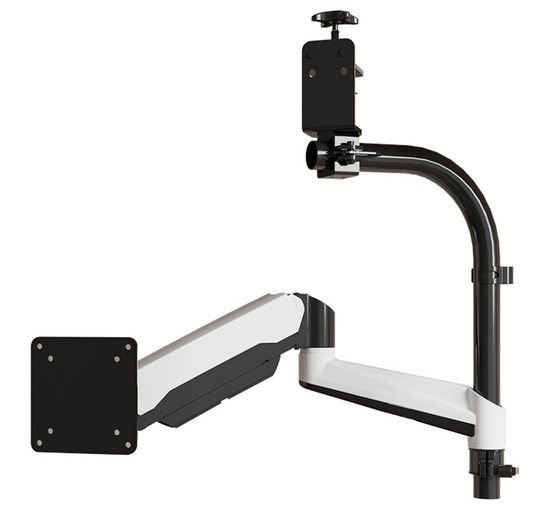
The arm moves smoothly in every direction — up, down, forward, back, tilt, swivel. Once positioned, it holds without drifting. This sounds like a functional feature, and it is, but it also has an unexpected effect on how the whole desk feels to use.
When the screen is fixed, you arrange yourself around it. When the screen moves, it arranges itself around you. That shift — small as it is — changes the quality of being at the desk. You're not adapting to the setup. The setup is adapting to you.
I pull the screen slightly closer when I need to focus on detail. I push it back when I want more visual space. I tilt it up in the afternoon when the light changes. None of these adjustments takes more than a second, but having the option makes the whole experience of sitting here feel more considered, more deliberate, more mine.
How the mood shift actually showed up
I'm aware that talking about a desk making you happy sounds slightly ridiculous. But I think it's worth being precise about what actually changed, because it wasn't dramatic — it was quiet and consistent, which is more valuable.
Sitting down at the desk stopped feeling like a transition into obligation. Before, there was always a small resistance — the unconscious drag of settling into a space that was functional but not welcoming. After, that resistance mostly disappeared. The desk became somewhere I wanted to be, which sounds small but changes the texture of every single work session.
Study felt lighter. Not easier in the sense of requiring less effort, but lighter in mood — less heavy, less grinding. The same tasks in a better environment genuinely feel different. Focus came more easily. The low-level distraction of a cluttered or uncomfortable setup wasn't there to contend with.
And there's something about the end of a long day — closing the laptop, looking at the plants, the soft light through the window — that feels like a proper ending rather than just a stopping point. The desk has become a place I'm glad to leave as much as a place I'm glad to come back to. That might be the best thing I can say about it.
The desk didn't change what I was doing. It changed how I felt about doing it. And over weeks and months, that adds up to something real.
A few small things that make a big difference
If you're thinking about making your own desk somewhere you actually want to be, here's where I'd start — none of it is expensive or complicated:
- Face the window if you can. Natural light and a view beyond the screen are worth rearranging furniture for. Even a small amount of daylight changes the mood of a space significantly.
- Add a plant. It doesn't need to be big. Even one plant on the desk softens the whole surface and gives you something living to glance at during the day. A money tree is a popular choice — low maintenance, good looking, and apparently everyone asks about it.
- Clear the surface. The fewer objects on the desk, the more the ones that remain matter. A clear desk isn't about minimalism as an aesthetic — it's about giving your eyes somewhere to rest.
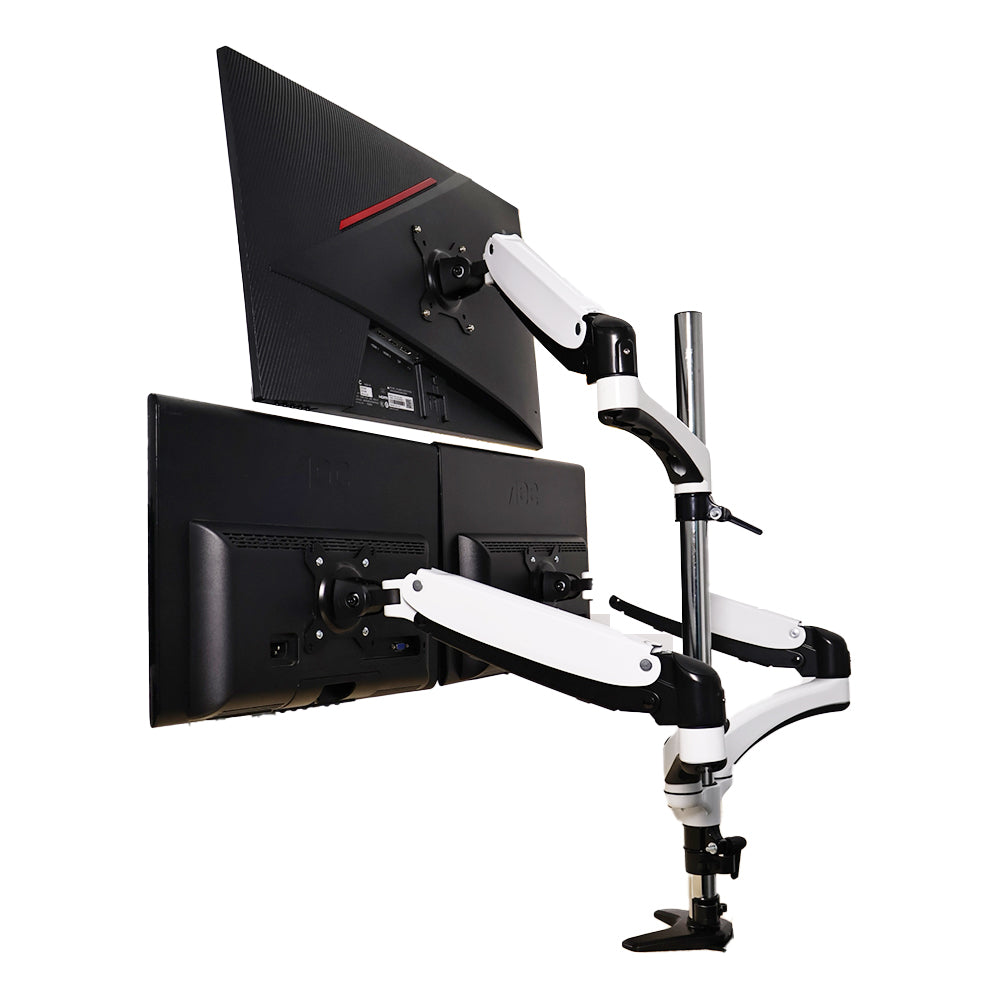
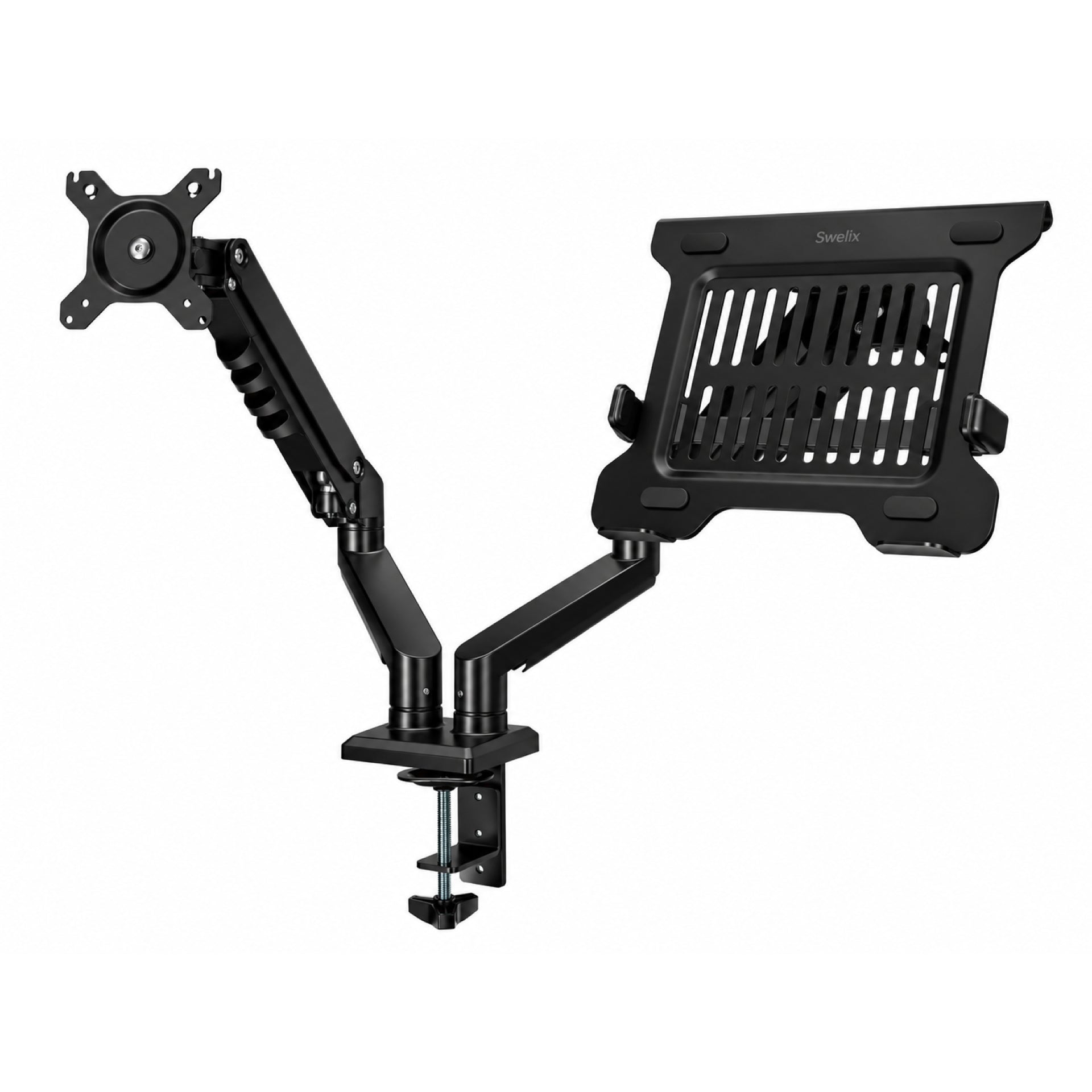
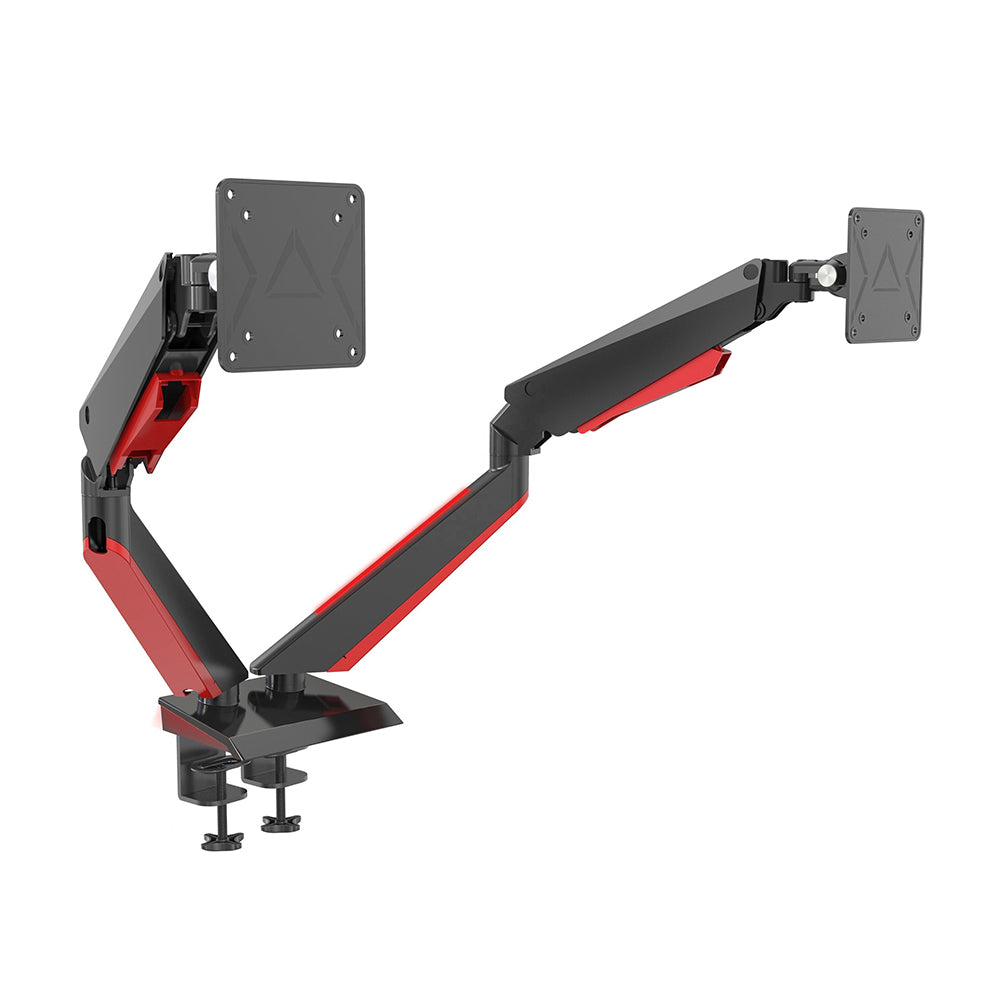
- Get the screen off the desk. A monitor arm removes the stand, lifts the screen to the right height, and clears the surface in one move. The floating effect changes the visual feel of the whole setup more than almost anything else.
- Add something warm and personal. Books, a small object you like, a candle — something that signals this is your space, not just a workstation. The desk should feel like it belongs to you.
Your desk, your mood
The desk you sit at every day is not a neutral object. It's a place that either supports you or quietly works against you — and the difference between those two states is often much smaller than you'd think to achieve.
A plant. A book. A window. A screen that floats rather than sits. These aren't luxuries or aesthetic indulgences. They're the small, considered choices that make a desk feel like somewhere you want to be — and wanting to be somewhere is half the battle when it comes to doing good work there.
My desk makes me happy. I'd like yours to do the same.
If you're thinking about the monitor arm — that's the piece that completed my setup. You can find it, and other options worth looking at, at Swelix.
Browse monitor arms → More desk setup inspiration