
My North-Facing Window Wasn't the Setup I Planned — But It Changed Everything
I've been thinking about this lately: your desk might be the most honest place in your home.
It knows what time you actually started working. It's seen you stare into space for twenty minutes straight. It holds the cold coffee, the sticky notes that were urgent two weeks ago, and that one pen that you keep moving from side to side without ever using.
My desk faces a north-facing window. The light doesn't do anything dramatic — it just comes in, even and quiet, all day long. Like a friend who doesn't need to fill every silence. When I first moved in, I honestly thought it was a downside. No golden afternoon sun, no moody shadows, none of that "golden hour glow" you see in every desk setup post online.
But after a year of working from home, I stopped seeing it as a compromise.
Some spaces aren't meant to perform. They're just meant to be yours.
"Your desk is where so much of your life quietly happens. It deserves to feel like it."

🪟 Working by a North-Facing Window — What Actually Helps
North light is steady. No harsh sun cutting across your screen at 2pm. No squinting, no shuffling your chair, no emergency curtain situation. It just holds all day — which, honestly, is what you want when you're deep in work and don't want to be interrupted by the weather.
Things that made a real difference for me:
- Face your desk straight toward it — north light won't blind you, so lean into it. Let it be your main light source during the day
- Put something you love on the windowsill — a small plant, a candle, a photo, a rock you picked up somewhere that felt important. Your eyes drift there without you noticing. Make it worth drifting to
- Add a warm lamp for evenings — north light disappears fast in winter, and a cold overhead light will make your desk feel like a waiting room. A lamp off to the side changes the whole vibe
- Bias lighting behind your monitor — if you work into the evening, this matters more than it sounds. The contrast between a bright screen and a dark room quietly wrecks your eyes over time
The little plant on my windowsill has no idea how much emotional work it's doing. But it's a lot.
"Not everyone needs a buzzing office to do their best work. Some of us just need a north-facing window and a little bit of quiet."

🖥️ The Desk Setup Stuff That's Actually Worth Your Time
I've gone through phases. Obsessive cable management. Aesthetic desk mat research. Saving other people's setups on Pinterest at midnight. And eventually I figured out that I'd been optimizing the wrong things.
Get your monitor height right first. Everything else is secondary.
Your eyes should fall naturally on the top third of your screen when you're sitting up straight. Most people's monitors are way too low — so they spend eight hours with their chin slightly dropped, neck compensating, and then wonder why Friday afternoons feel so rough.
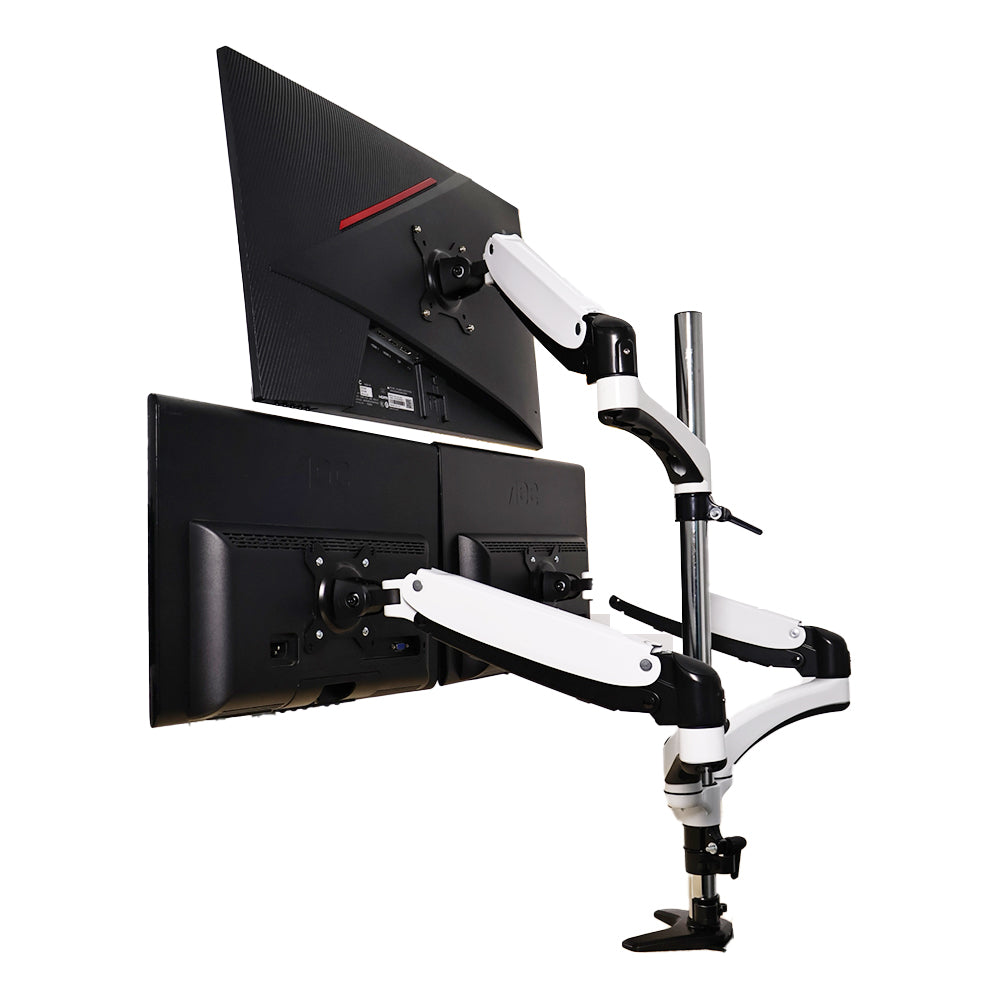
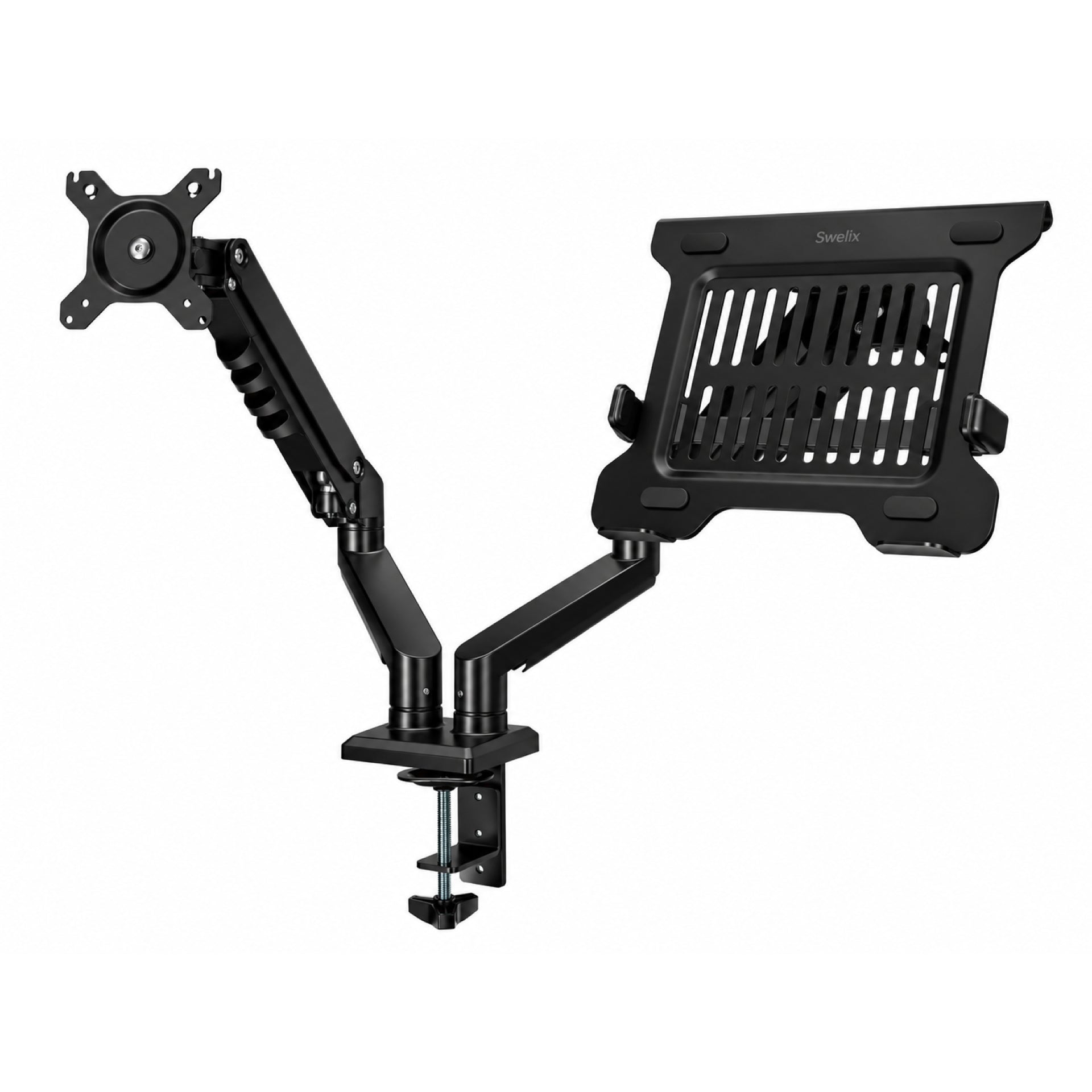
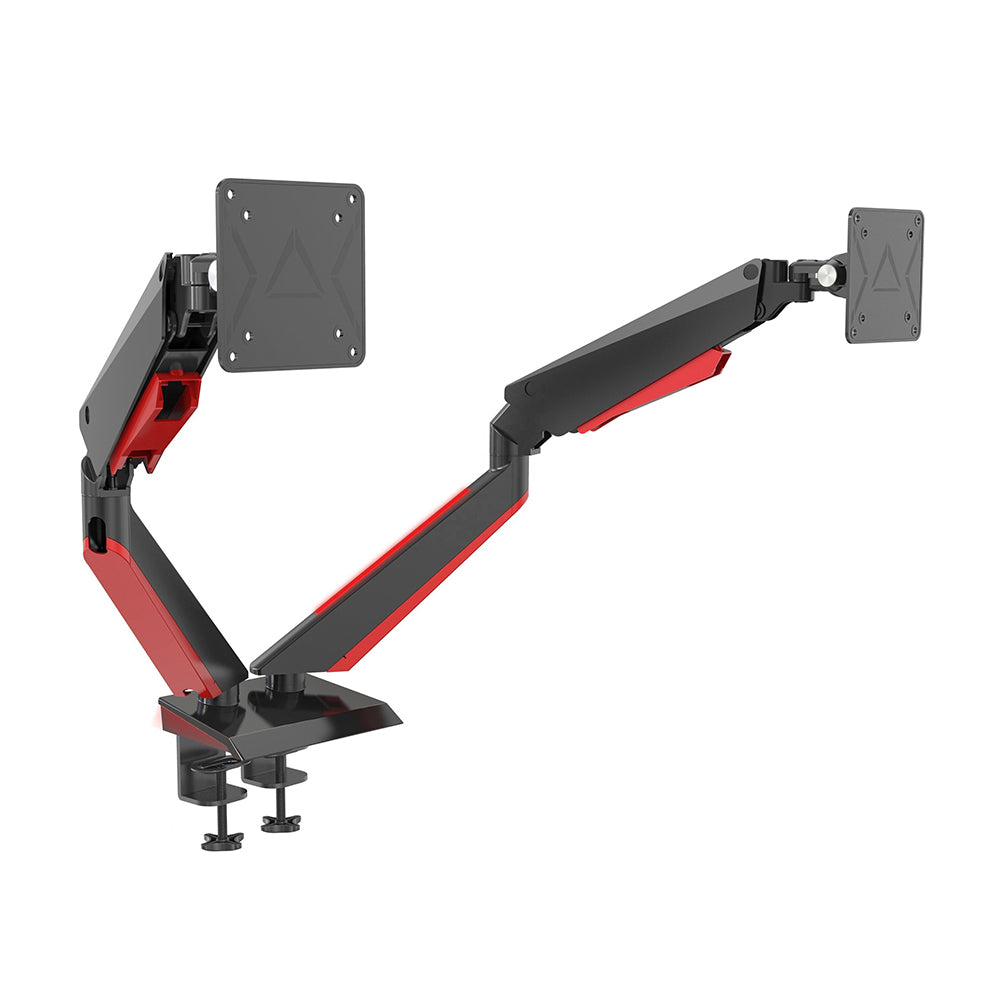
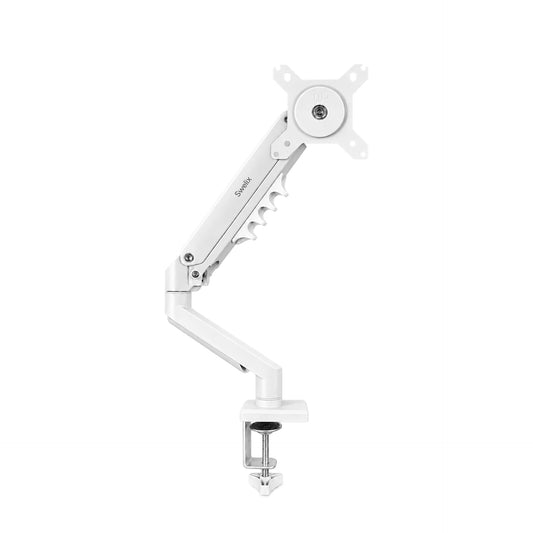
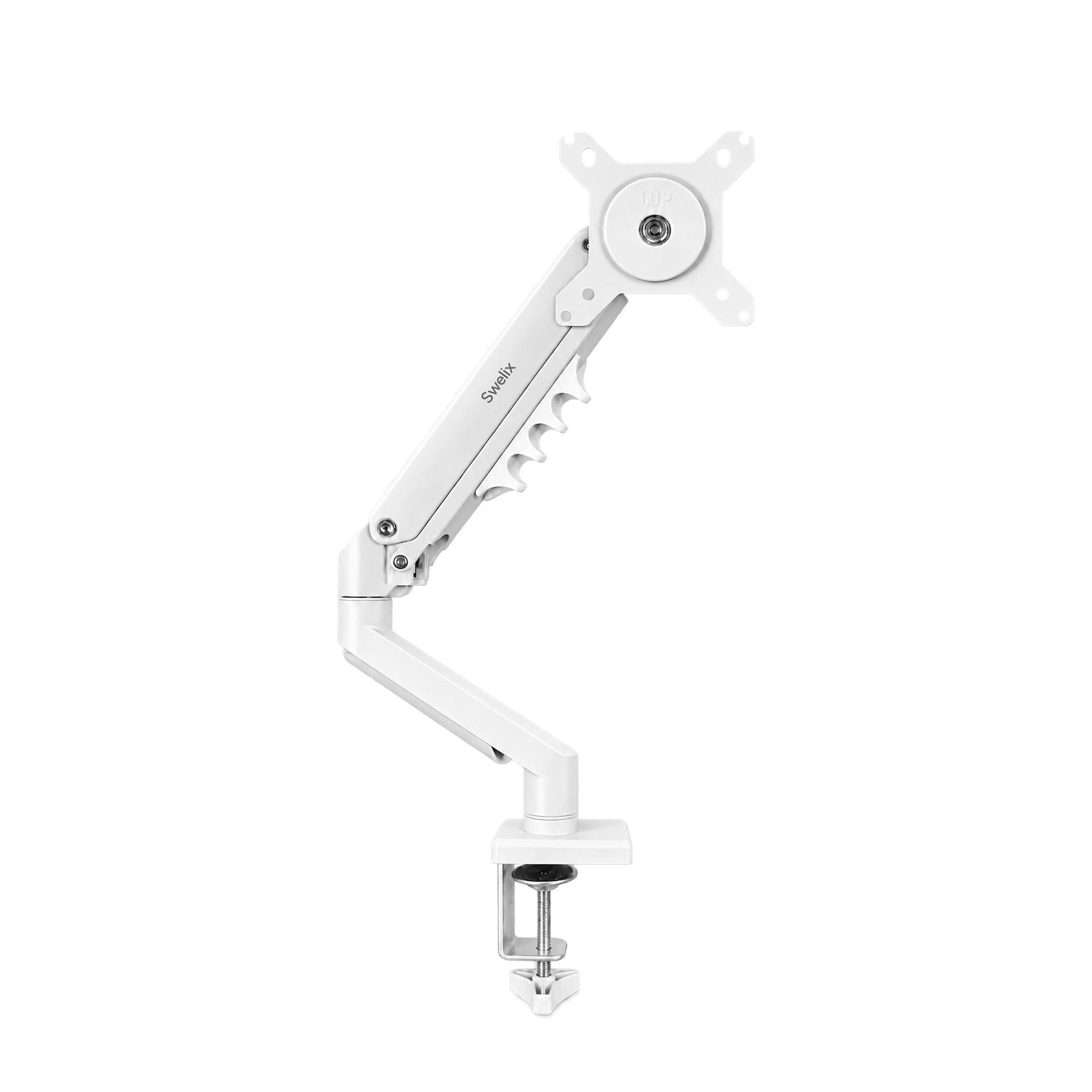
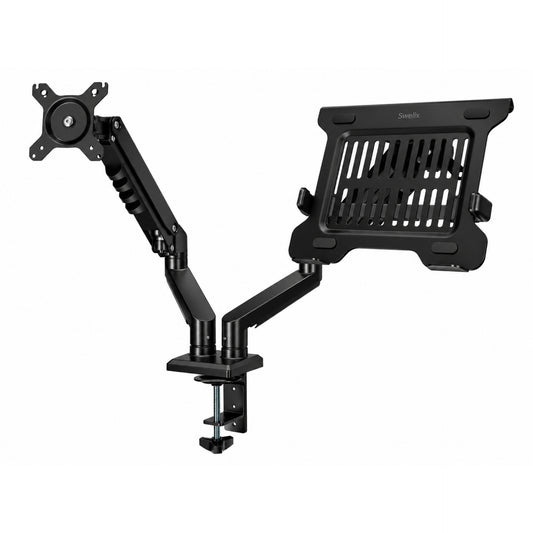
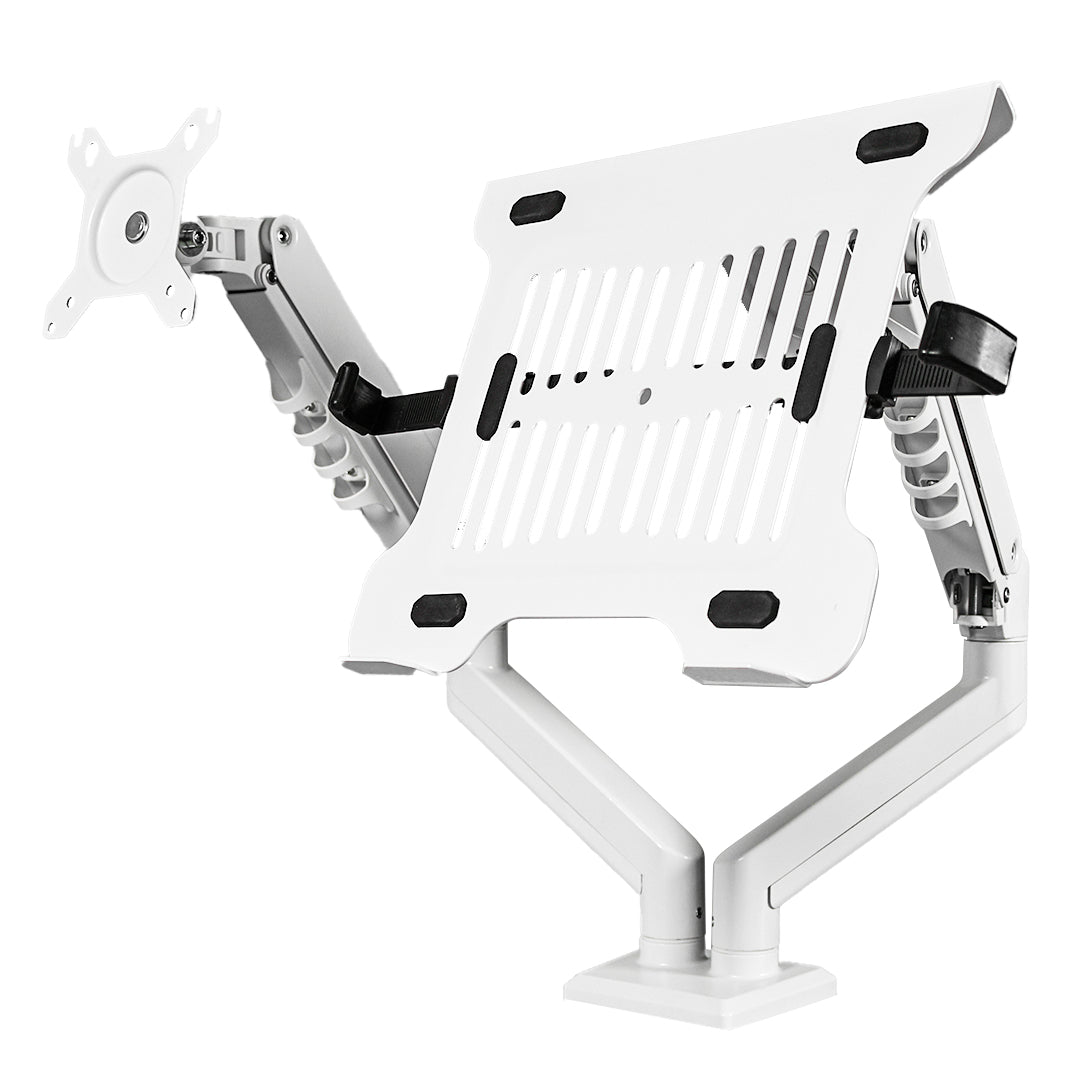
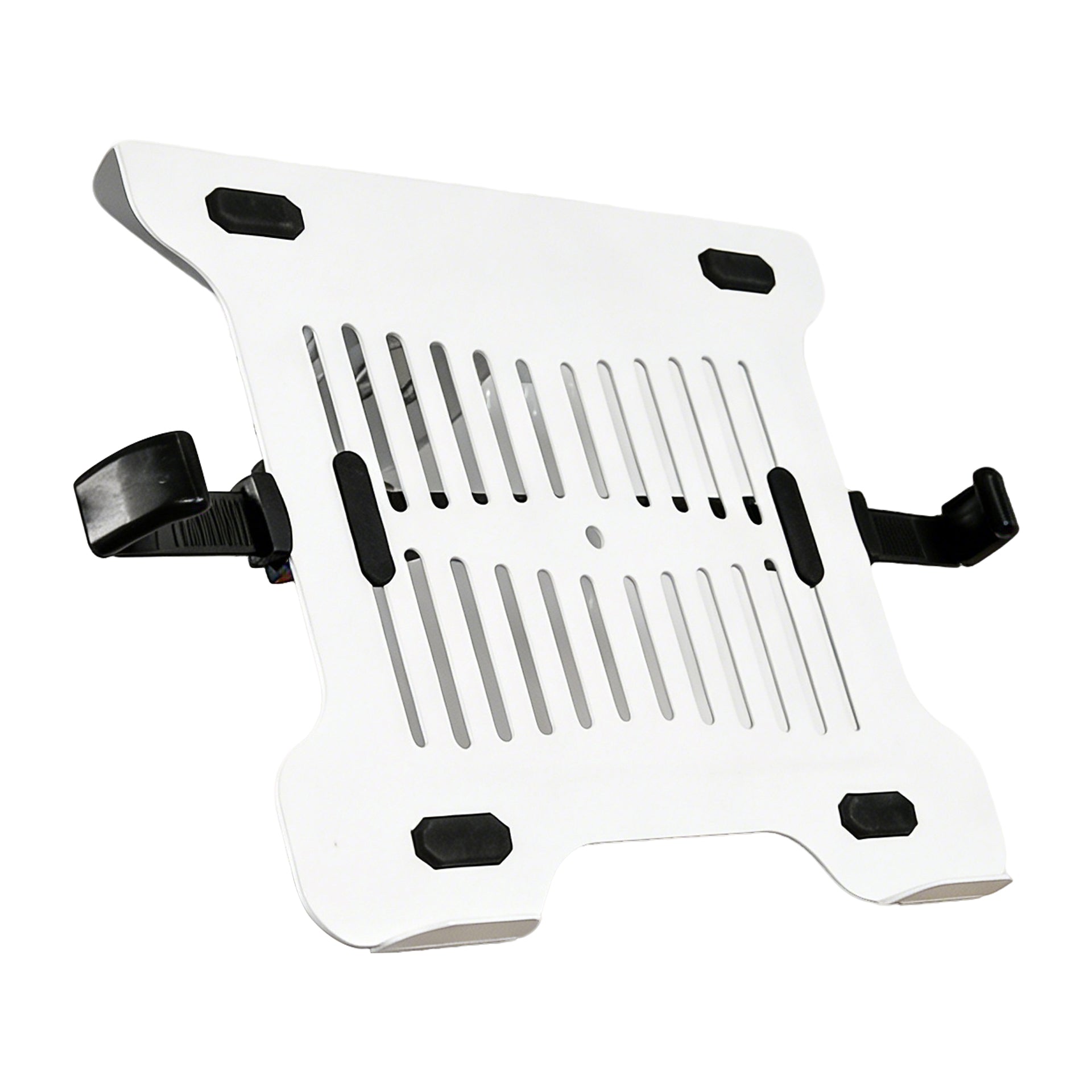
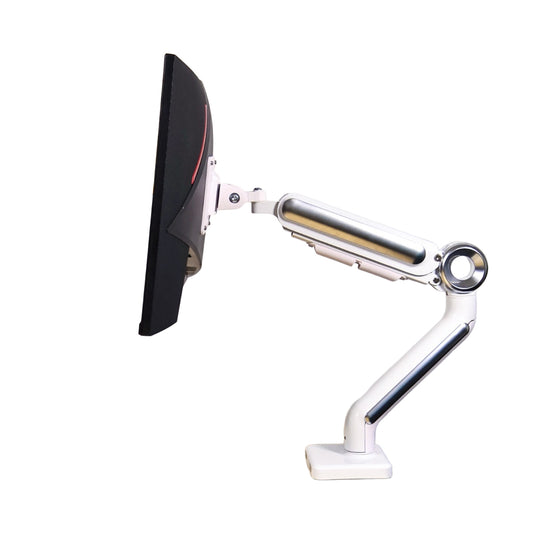
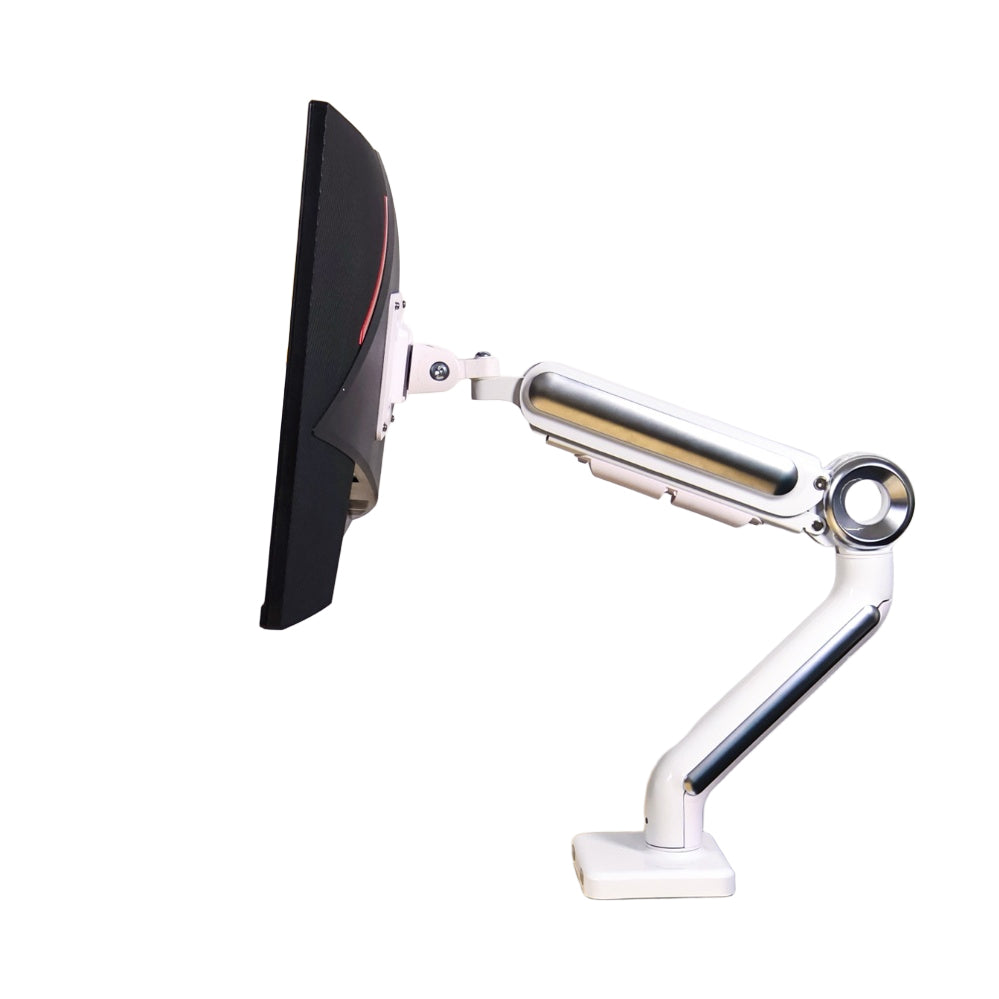
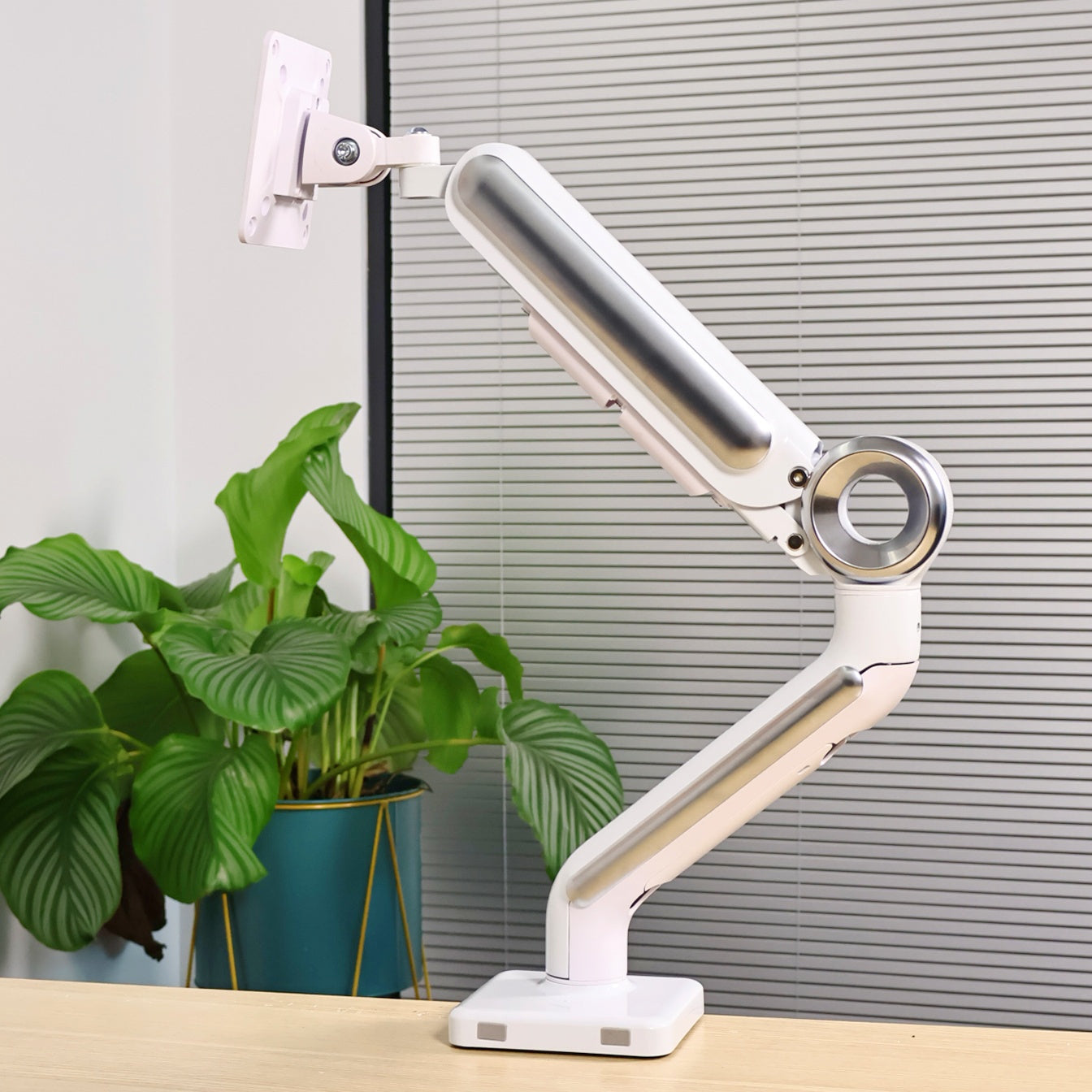
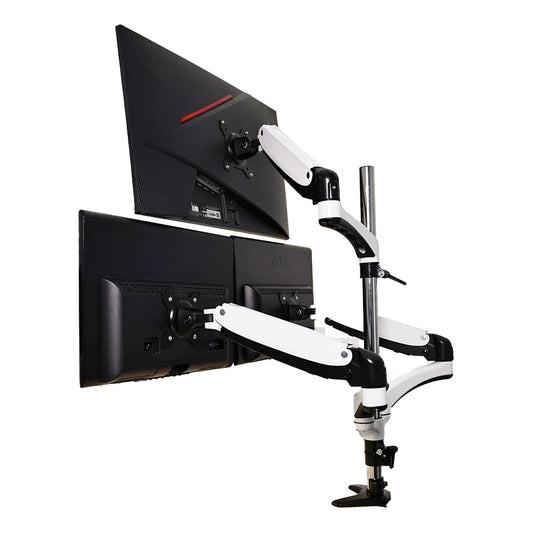
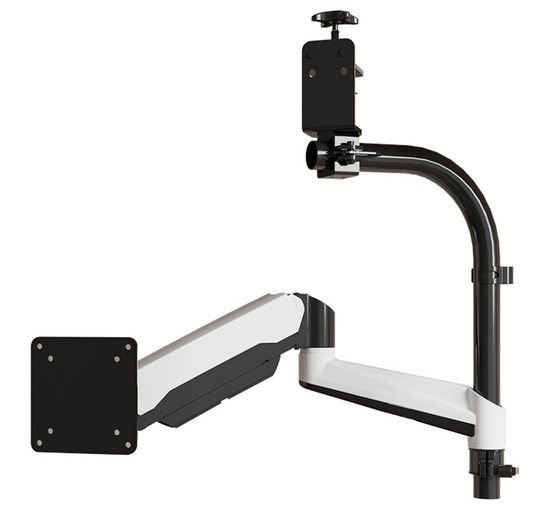
A monitor arm was the thing that finally fixed this for me:
- You can dial in the exact height and angle for your body, not some factory default
- Slide it closer when you're doing detail work, push it back when you're reading
- Your desk suddenly has room again — it sounds like a small thing until you experience it
- A good one holds its position, actually. No slow drooping six months later
Other things I put off forever and then wondered why I waited:
- Sort your cables once, properly — velcro ties, a simple tray under the desk, an hour of your time. Done. You stop seeing them immediately
- Keep one corner that's just yours — hand lotion, a notebook, your water bottle, whatever. Even on a small desk, having a non-work zone does something real for your head
- Desk depth over desk width — being too close to your screen is exhausting in a way that sneaks up on you. Aim for at least 24 inches. More if you can swing it

✨ Small Upgrades, Real Difference
You don't need to redo everything at once. The best changes are usually the ones that fix something you've been quietly tolerating for months.
| Upgrade | Why It Actually Helps |
|---|---|
| Bias light behind monitor | Cuts eye strain during long evening sessions |
| Chair mat on hardwood floors | More stability than you'd expect — it grounds your whole posture |
| Deeper desk surface | Gets the screen to the right distance without cramping your keyboard |
| Clearing your desk weekly, not annually | Visual clutter drains focus slowly. You only notice when it's gone |
I clear my desk every Friday before I log off. Not for tidiness — for Monday me. So that when I sit down at the start of a new week, the space still feels like mine.
"The state of your desk has a way of reflecting the state of your head. Clean it up and see what shifts."
🧘 Your Body — Don't Wait Until Something Hurts
I'll be honest: I ignored all of this until my shoulder started doing something weird. Then I paid attention real fast.
The stuff that's actually worth caring about:
- Feet flat on the floor — not tucked, not crossed, not hovering. If your chair is too high, a footrest is cheap and it genuinely helps
- Elbows at roughly 90° when you type — your shoulders shouldn't be doing any work here. If they feel tense at the end of the day, something's off with your height
- Real breaks, not scroll breaks — stand up, go to the window, look at something far away. Your brain resets differently than it does when you just swap one screen for another
- Invest in your keyboard and mouse before almost anything else — these are what your hands are touching for eight-plus hours a day. Comfort here matters more than what your setup looks like in photos
I've come to think that setting up your workspace properly is a form of self-respect. Like, you're worth a desk that doesn't hurt you.
"If you're going to spend this much time somewhere, you might as well make it somewhere you actually want to be."
For Every Introvert Who Just Needs a Space That's Theirs
Sometimes I sit at this desk as the light outside starts to fade, the street noise gets a bit farther away, and I'm just... in it. Drawing something, writing something, or honestly just sitting there with a cup of tea, not doing much at all.
It's hard to explain that feeling to people who don't need it. But if you're someone who recharges in quiet — who finds a loud open-plan office draining and a solo Saturday afternoon genuinely restorative — you probably know exactly what I mean.
Your desk isn't just where work happens. It's where you come back to yourself. It's your corner of the world that doesn't ask anything from you except to show up.
That's worth taking care of.
Start with one thing. The rest follows in its own time.
Swelix makes desk accessories for people who care how their workspace feels — not just how it looks. Monitor arms, cable solutions, and the small things that make a big difference.